
How to Create a Product Operating Model to Support Product Organization Transformation
To succeed in today’s fast-moving digital economy, enterprises must shift from project-centric to product-centric operating models, with a product operating model (POM) defining how people, processes, and decisions work together to deliver sustained customer and business value. 
Andy Birds
Thoughtworks Contributor
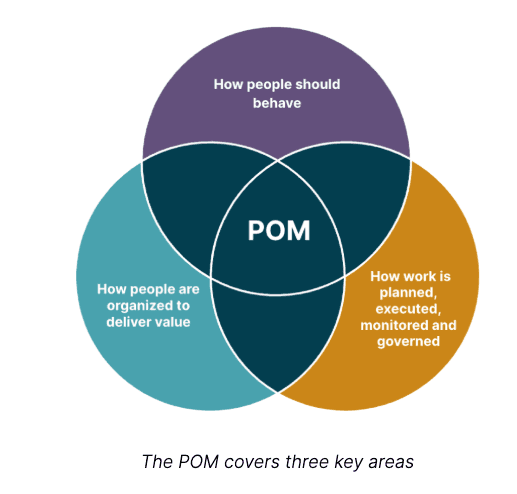
Table of contents
Share
This article explains what a product operating model (POM) is, why it matters, and how it underpins a successful transformation to a product organization. A product operating model defines how an organization designs, develops, delivers, and manages products across their lifecycle, aligning people, processes, and decisions to business outcomes rather than project outputs. It clarifies behaviors, workflows, governance, team structures, decision rights, and information flows to accelerate time to value, boost ROI, and improve cross-functional alignment. Key components of a POM include cultural and behavioral principles, high-level processes for planning and execution, and organizational structures that align teams to value streams. The article also explains when a POM should be used—especially for software-enabled experiences—and why product mode is essential in a world where project mode no longer yields competitive advantage.